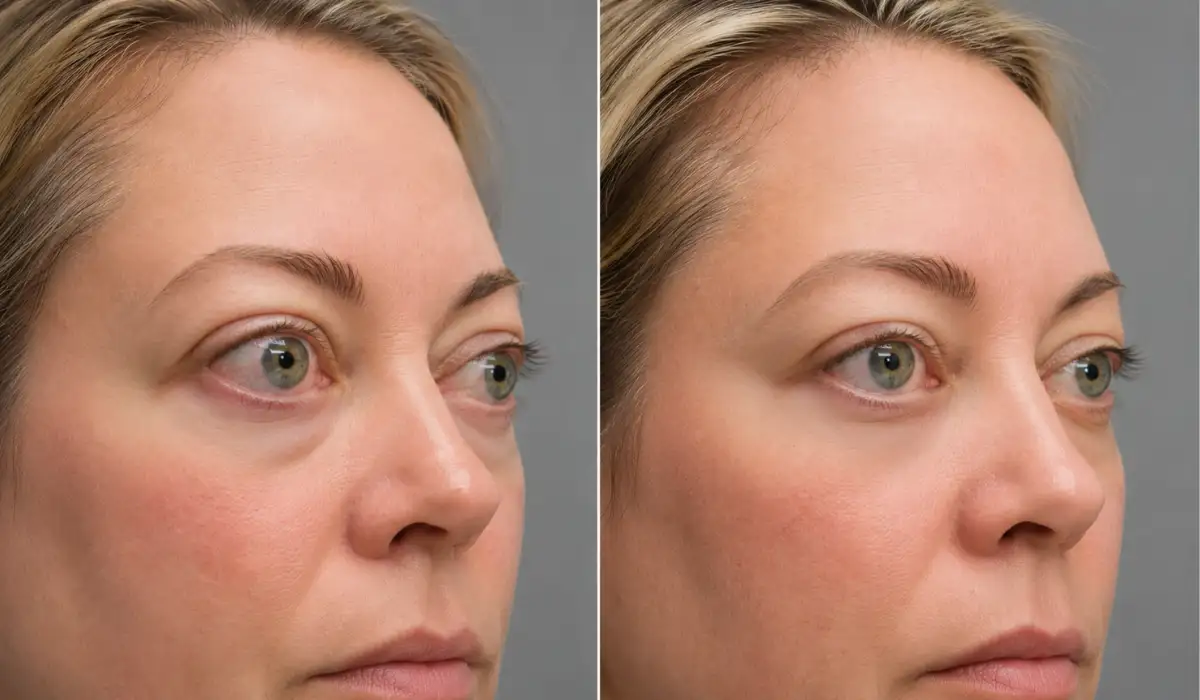
Thyroid eye disease medication refers to treatments used to manage eye problems caused by thyroid-related immune activity. These medicines may help dryness, irritation, swelling, pain, redness, bulging eyes, double vision, pressure around the eyes, and difficulty closing the eyelids properly.
The goal is not only to improve comfort, but also to protect vision and the eye surface. Some treatments support lubrication, while others reduce inflammation or target immune pathways involved in the disease process. Treatment may change as symptoms move from active swelling to stable changes.
Medication choice depends on disease activity, severity, thyroid control, age, pregnancy status, diabetes history, hearing risk, and vision findings. A thyroid eye disease specialist can decide whether simple eye care, prescription medicine, infusion therapy, monitoring, or later surgical planning is safest for the patient.
Why Medication May Be Needed?
Medication may be needed when thyroid eye disease causes active inflammation around the eyes. Common warning symptoms include swelling, redness, pressure, eye pain, dryness, light sensitivity, watery eyes, eyelid retraction, bulging, changing double vision, and a strained or gritty feeling.
Mild symptoms may improve with artificial tears, nighttime ointments, cool compresses, thyroid control, and avoiding smoking. However, moderate or severe disease often needs prescription treatment to calm inflammation, reduce tissue swelling, and lower the chance of symptoms becoming more difficult to manage.
Urgent medical attention is important when vision becomes blurry, colors appear faded, the eye surface feels exposed, or eye movement becomes painful. Early treatment can lower the chance of corneal damage, optic nerve pressure, permanent discomfort, repeated flare-ups, worsening double vision, and long-term eye alignment problems later safely.
Common Thyroid Eye Disease Medication Options
Artificial tears, lubricating gels, and nighttime ointments are common first-line options for mild thyroid eye disease symptoms. They help reduce dryness, burning, scratchiness, irritation, and exposure-related discomfort caused by poor eyelid closure or eyes that feel more open than usual.
Corticosteroids may be prescribed when inflammation is active. They can reduce swelling, redness, and discomfort, but they are usually used carefully because side effects may affect blood sugar, blood pressure, mood, sleep, bones, stomach comfort, and infection risk over time.
Teprotumumab is an intravenous prescription medication used for thyroid eye disease. In selected patients, selenium or other immune-directed medicines may also be considered, especially when symptoms, disease activity, general health, thyroid status, eye measurements, inflammation level, treatment goals, symptom burden, and specialist assessment support their use safely for care decisions.
How These Medicines Work?
Lubricating drops and ointments work on the eye surface. They replace moisture, reduce friction, protect the cornea, and make blinking more comfortable when eyelids are pulled back, the eyes feel exposed, or the lids do not close completely during sleep.
Steroid medicines work deeper in the inflamed tissues around the eye. By calming immune-driven swelling, they may improve pain, redness, eyelid swelling, pressure, and soft-tissue inflammation during the active stage of thyroid eye disease, especially when symptoms are progressing or uncomfortable.
Teprotumumab works by blocking a receptor pathway linked with thyroid eye disease activity. It is given through scheduled infusions and may reduce eye bulging, pressure, inflammation-related changes, and double vision in appropriate patients who meet specialist treatment criteria, safety requirements, monitoring needs, and risk checks before starting therapy safely.
Safety, Side Effects, And Monitoring
All thyroid eye disease medication should be used with medical supervision because benefits and risks vary from person to person. Eye doctors and endocrinologists often work together to monitor vision, thyroid balance, treatment response, and side effects throughout care.
Steroids may cause raised blood sugar, fluid retention, mood changes, sleep problems, bone thinning, stomach irritation, or higher infection risk. Teprotumumab may cause infusion reactions, muscle spasms, hearing problems, blood sugar changes, and other effects that require specialist monitoring and follow-up.
Before starting treatment, doctors may check visual function, eye pressure, corneal exposure, double vision, thyroid levels, pregnancy possibility, diabetes risk, inflammatory bowel disease history, and hearing status. Follow-up visits help detect side effects early, compare eye measurements, and adjust medication safely when symptoms, test results, or risks change significantly later.
Choosing The Right Medication
There is no single best thyroid eye disease medication for every patient. The right option depends on whether the disease is mild, active, moderate, severe, stable, or threatening vision, as well as how quickly symptoms are changing over time overall clinically.
A person with dryness may need only lubricants, while someone with painful swelling may need anti-inflammatory treatment. Bulging eyes, worsening double vision, severe exposure, or optic nerve concerns may require advanced therapy, detailed measurements, imaging, and closer follow-up with specialists.
Doctors also consider smoking status, thyroid hormone control, previous treatment response, other medical conditions, medication risks, cost, insurance coverage, patient goals, and future surgery needs. Treatment should be individualized rather than copied from another patient’s plan or delayed until symptoms become severe, complicated, persistent, or harder to treat.
When To See A Specialist?
A specialist visit is important when thyroid eye disease symptoms are new, worsening, painful, or interfering with reading, driving, screen use, sleep, or daily comfort. Early evaluation helps protect the eye surface and identify disease activity before complications develop.
Seek faster care for sudden vision loss, severe eye pain, reduced color brightness, constant double vision, worsening bulging, increasing eyelid tightness, or inability to close the eyelids during sleep. These symptoms may signal higher risk and need prompt evaluation by an eye specialist.
Medication works best when matched to disease activity and risk level. Regular follow-up helps adjust treatment, track progress, protect vision, manage side effects, coordinate thyroid care, and decide whether medical treatment, supportive care, symptom control, prisms, or surgery is needed later as the condition changes over time safely.
FAQs
The best medication depends on disease severity, activity, and symptoms. Lubricants help dryness, steroids reduce inflammation, and teprotumumab may help selected moderate-to-severe cases after specialist evaluation, monitoring, and safety review.
Medication can reduce inflammation and symptoms, but some patients still need monitoring, repeat treatment, prisms, eyelid care, or surgery once the disease becomes inactive, stable, or structurally changed later safely.
Eye drops do not treat the immune cause, but artificial tears and ointments can ease dryness, burning, irritation, and exposure from eyelid changes, poor closure, and surface dryness daily safely.
Teprotumumab may not suit pregnant patients or people with uncontrolled diabetes, inflammatory bowel disease, or hearing concerns. A specialist should review individual treatment risk before use or infusion treatment safely.
Thyroid control is important, but thyroid medicine alone may not fix eye inflammation, bulging, double vision, or dryness. Eye-specific treatment may still be needed for symptoms or vision changes later.
References
- National Eye Institute
Graves’ Eye Disease
https://www.nei.nih.gov/eye-health-information/eye-conditions-and-diseases/graves-eye-disease - American Academy of Ophthalmology
Nonsurgical Management of Thyroid Eye Disease
https://www.aao.org/eyenet/article/expanded-treatment-options-for-thyroid-eye-disease - U.S. Food & Drug Administration
TEPEZZA Prescribing Information
https://www.accessdata.fda.gov/drugsatfda_docs/label/2025/761143s031lbl.pdf - American Thyroid Association
Management of Thyroid Eye Disease: Consensus Statement
https://www.thyroid.org/management-of-thyroid-eye-disease/